National Webcast · The First 100 Days
Moderated by Steve Orlins (National Committee on U.S.–China Relations) with Ryan Hass (Brookings), Matthew Turpin (Hoover), and Lingling Wei (The Wall Street Journal).
In 2025 we hosted three summits across three continents — Los Angeles, Beijing, and Bologna — each exploring a different dimension of global engagement, rooted in the same belief: meaningful change starts one conversation at a time.
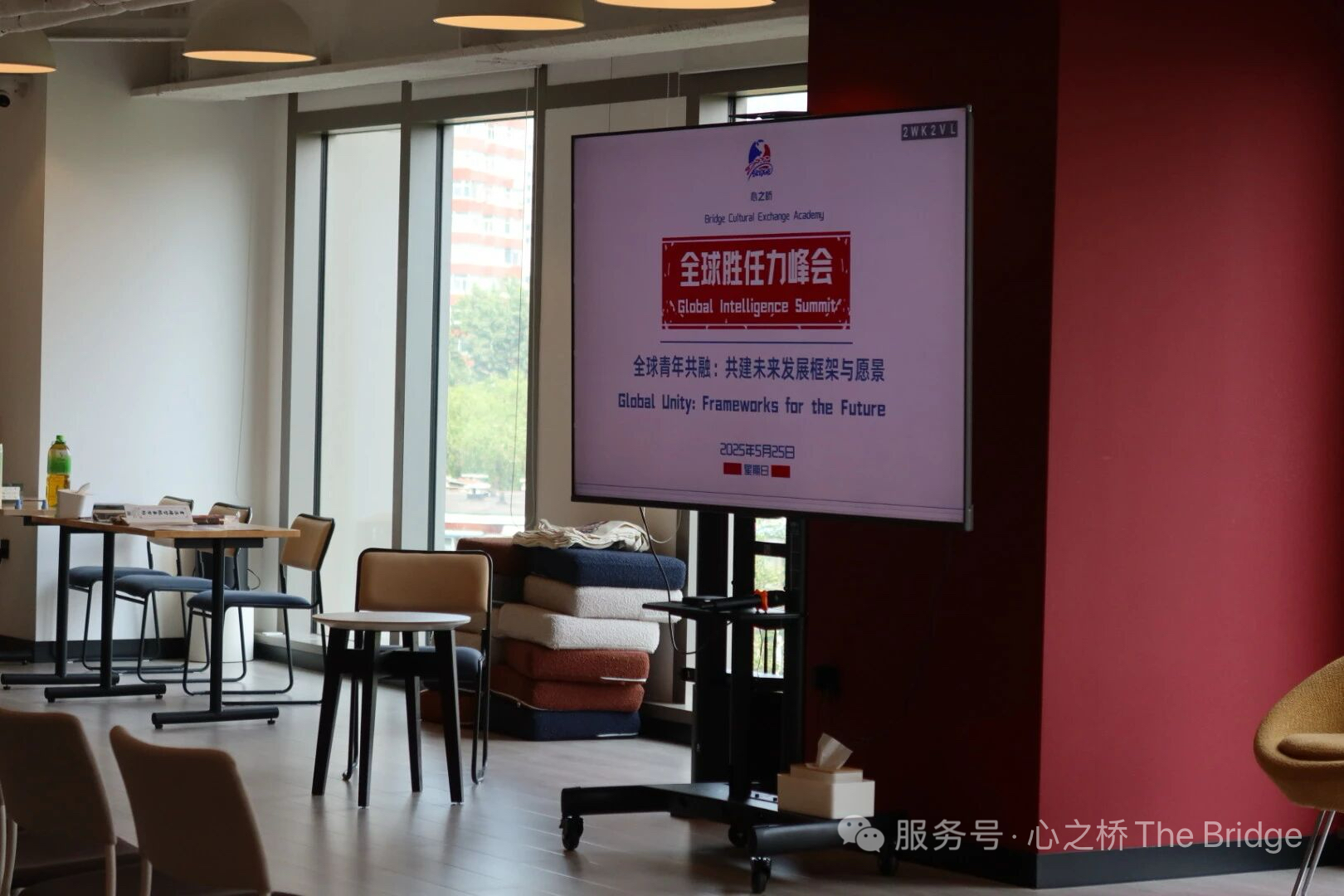
Global Unity: Frameworks for the future.
China Town Hall — The First 100 Days: President Trump's China Policy
Read the recapGlobal Youth Integration — Co-building Future Development Frameworks and Visions
Read the recapScience Diplomacy and Public Diplomacy in a Fragmented World
Read the recapTheme · China Town Hall — The First 100 Days: President Trump's China Policy
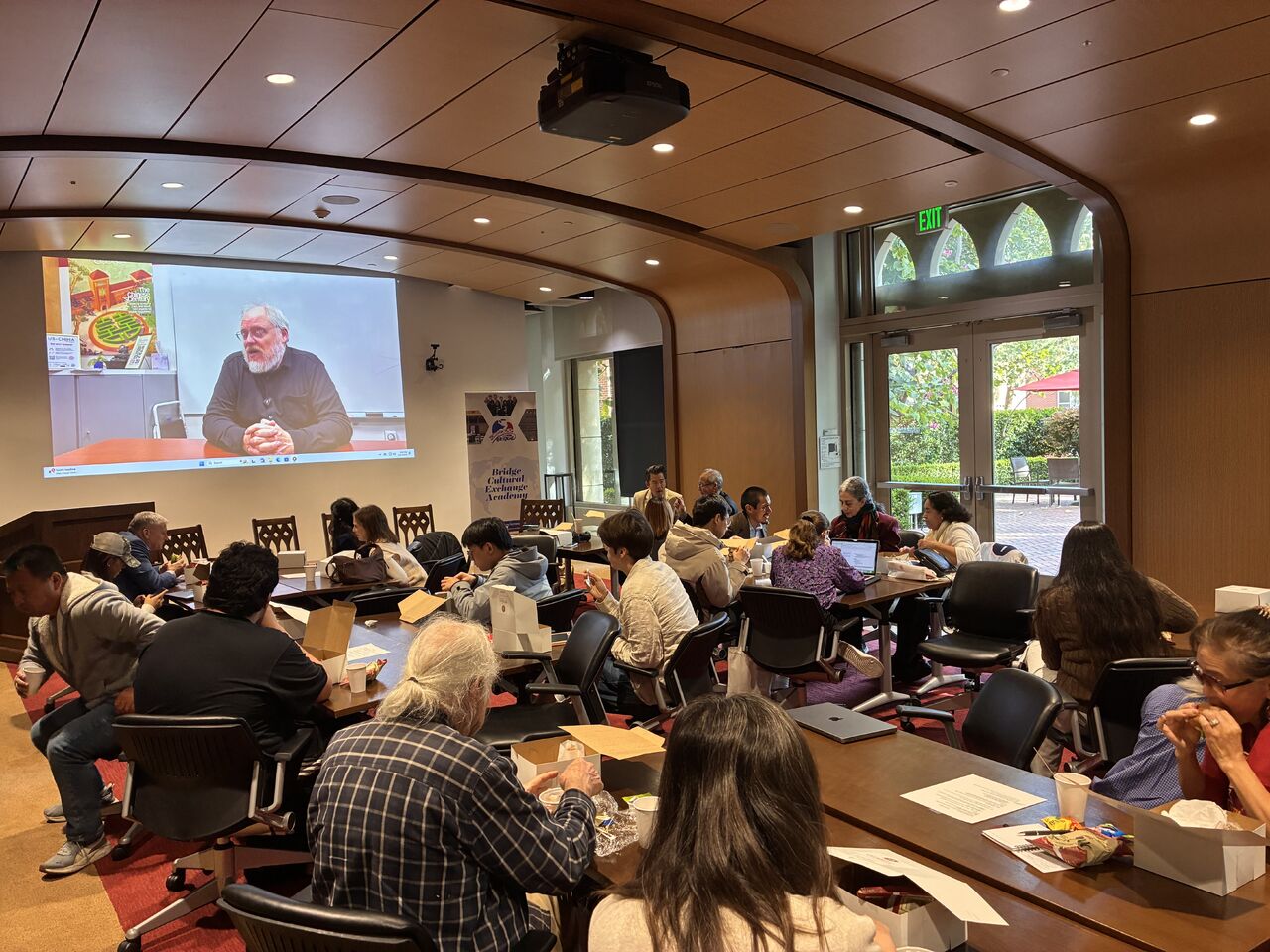
The inaugural session of our Global Intelligence (GQ) Summit — a milestone in BCEA's mission to empower youth with the tools to become thoughtful citizen diplomats in an increasingly divided world. In partnership with the National Committee on U.S.–China Relations (NCUSCR), BCEA helped implement this year's China Town Hall in Los Angeles, pairing a national webcast with a local panel that brought students, faculty, and community members around one table for genuine, cross-sector dialogue.
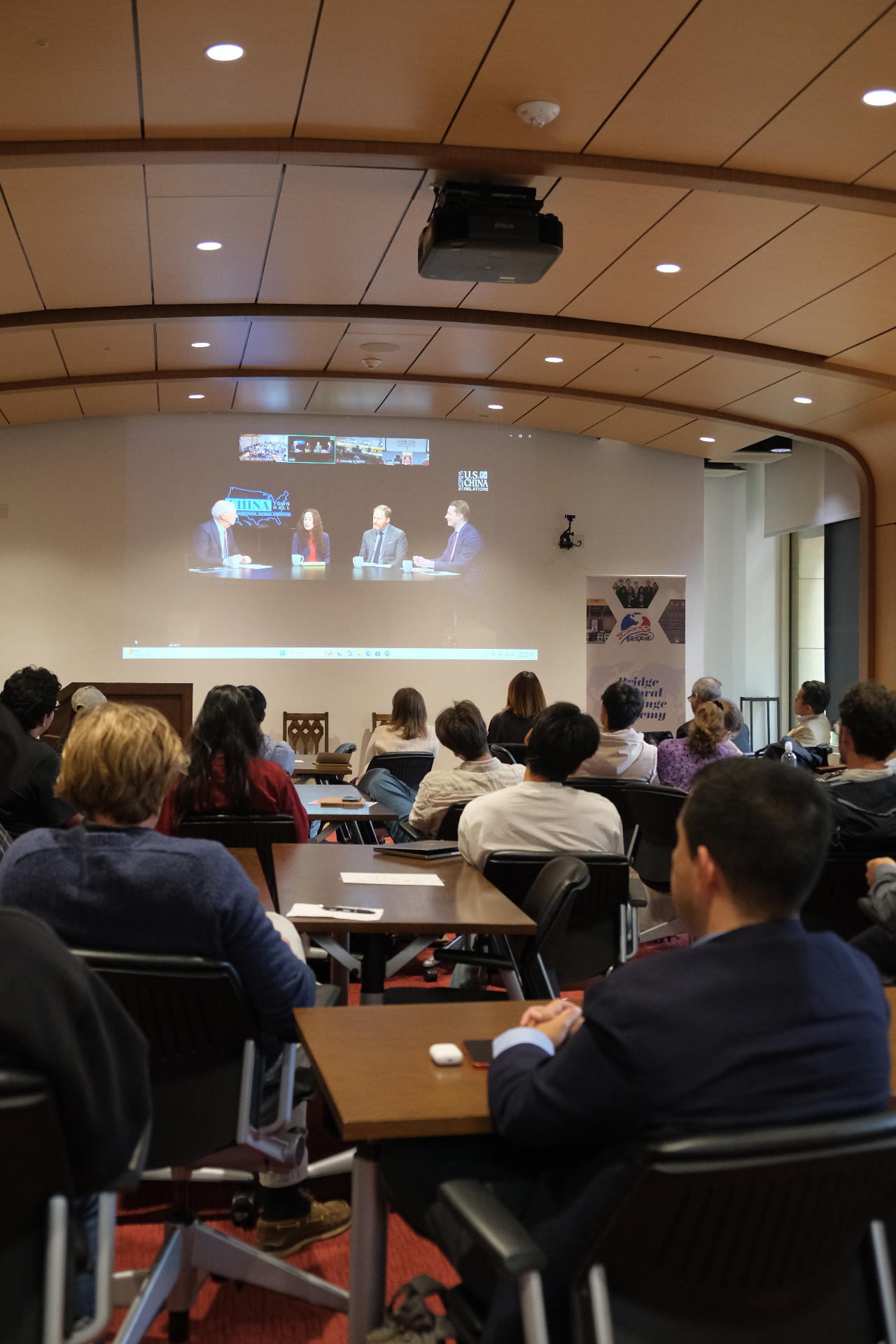
Moderated by Steve Orlins (National Committee on U.S.–China Relations) with Ryan Hass (Brookings), Matthew Turpin (Hoover), and Lingling Wei (The Wall Street Journal).
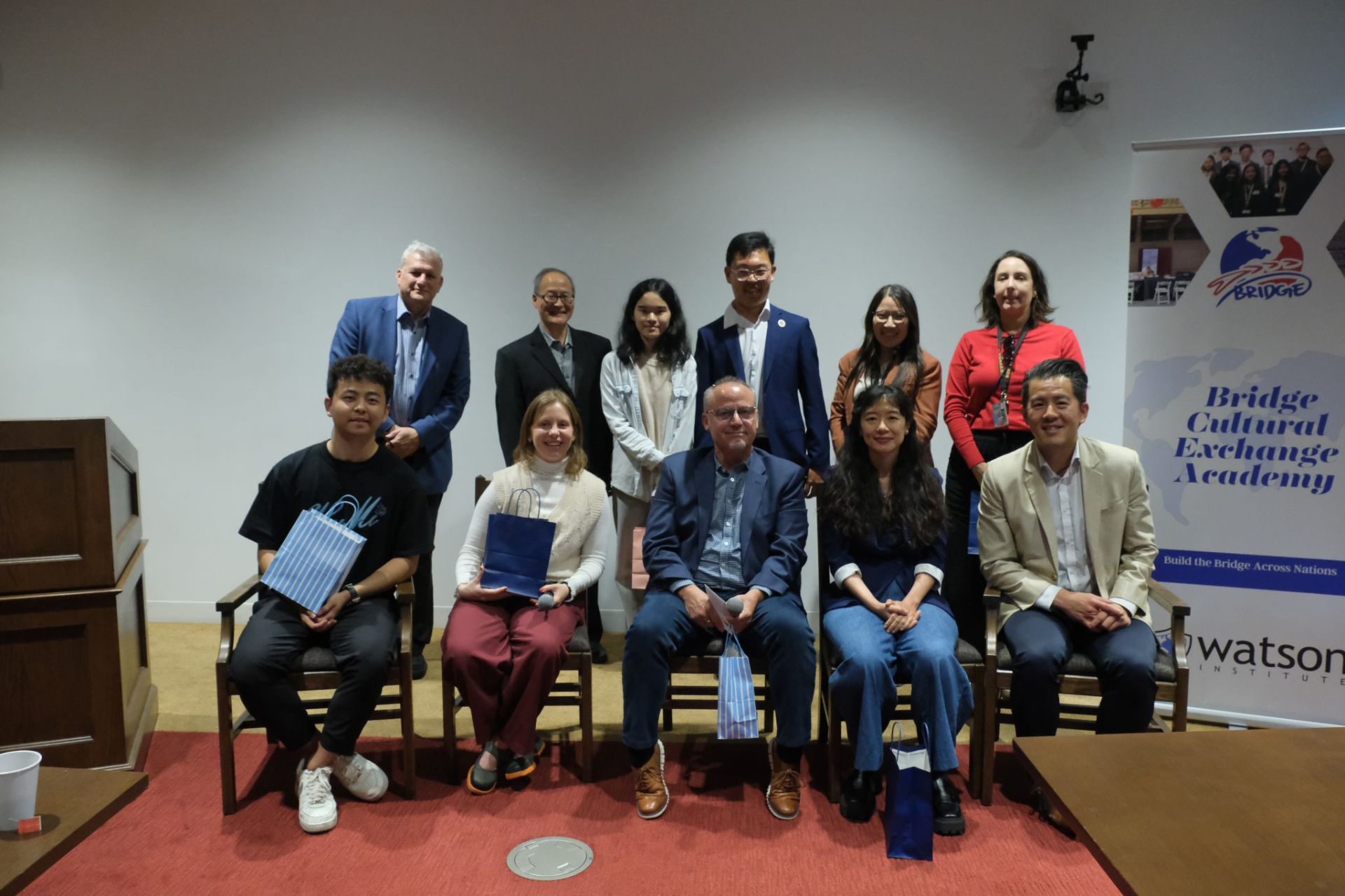
BCEA convened Joshua Shen, Prof. David Craig, Clarinda Blais, Prof. Aimei Yang, and Ziqi Luo for a cross-sector conversation on U.S.–China relations — pairing expert-led insights on policy and global risk with candid student reflections on identity and belonging.
By convening students, faculty, and community members around one table, we transformed a campus event into a space for honest dialogue — and the start of a new community committed to understanding across difference.
Theme · Global Youth Integration — Co-building Future Development Frameworks and Visions
A full day designed to be anything but a standard conference — structured dialogue, cultural immersion, and real human connection woven together. Opened by BCEA founder Junlong Wang on the principle that guides our work: one handshake at a time.
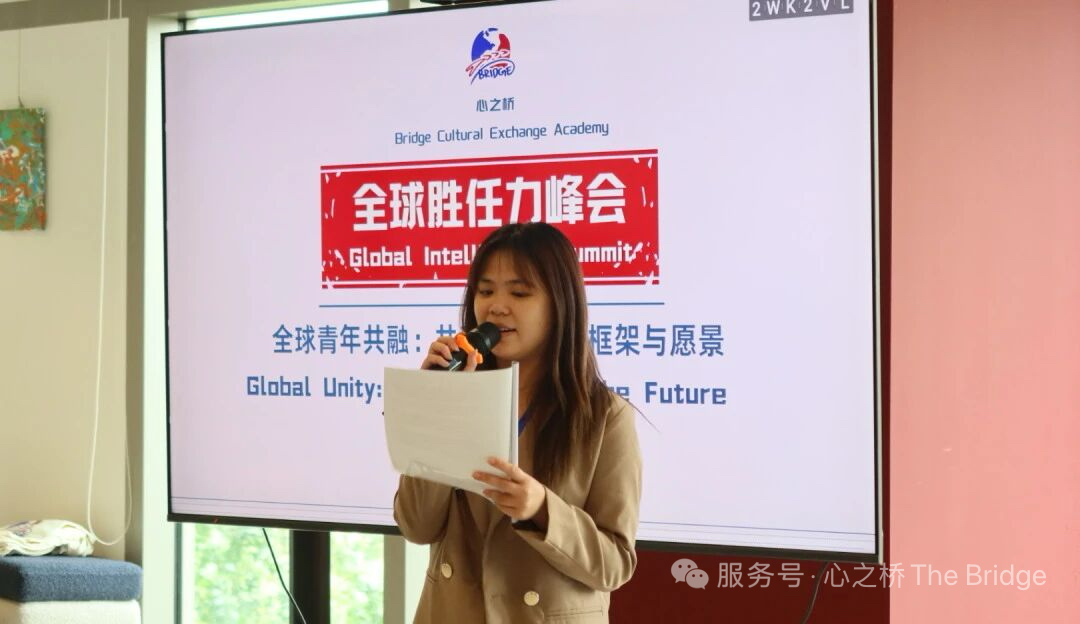
Xie Huiqin on building a multi-layered platform beyond the lecture format; Junlong Wang (BCEA) on trust built one handshake at a time; Prof. Nick Cull on dialogue as the bridge across cultural collision.
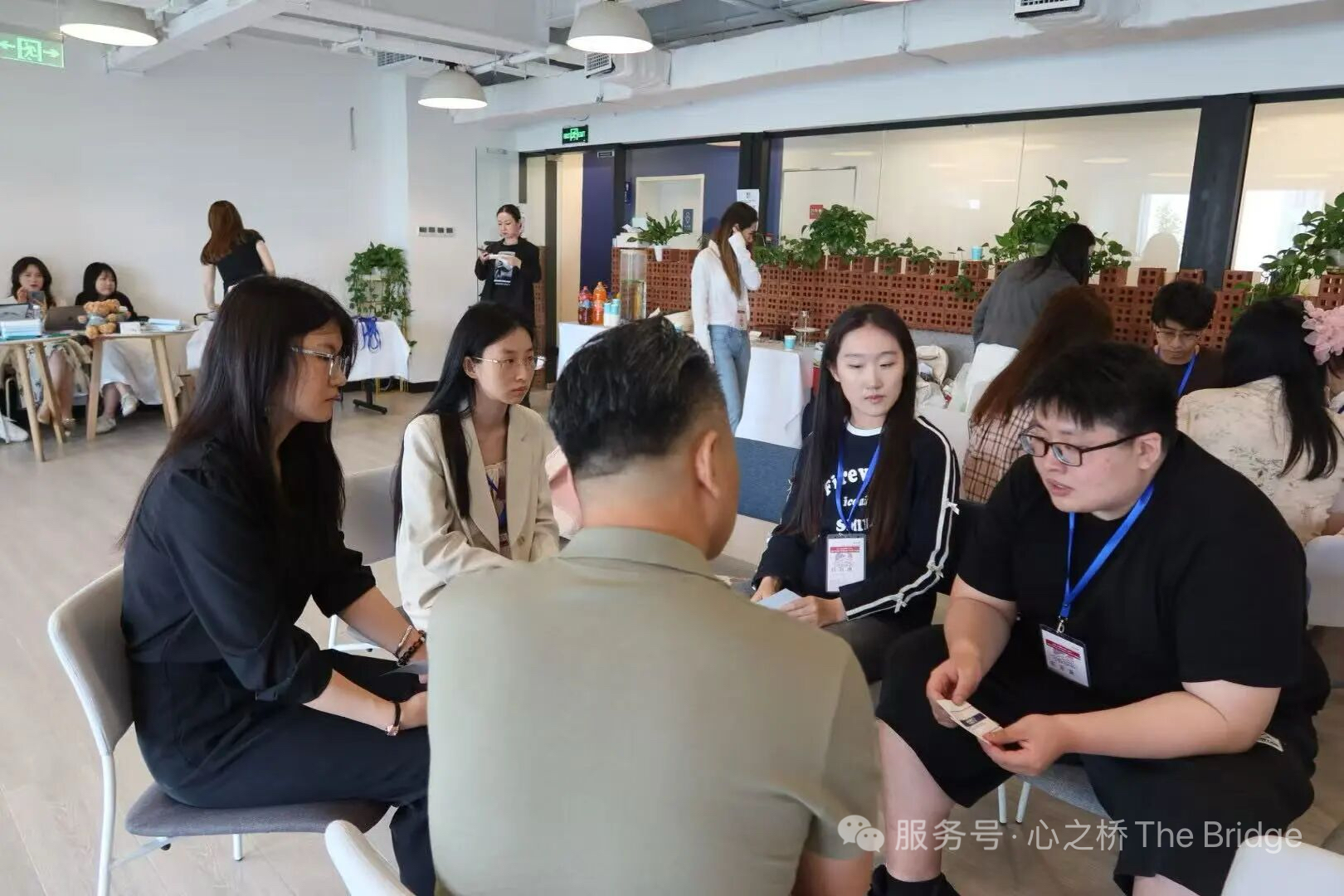
Participants drew keywords — from the Confucian "do not do to others what you would not want done to yourself" to the "Digital Silk Road" — and spoke to their cultural significance, sparking organic cross-cultural conversation.
Booths spanning Asia, Africa, Europe, and the Americas — Chinese tea ceremony, African drumming, creative arts. Attendees collected passport stamps and exchanged them for internationally-themed souvenirs.
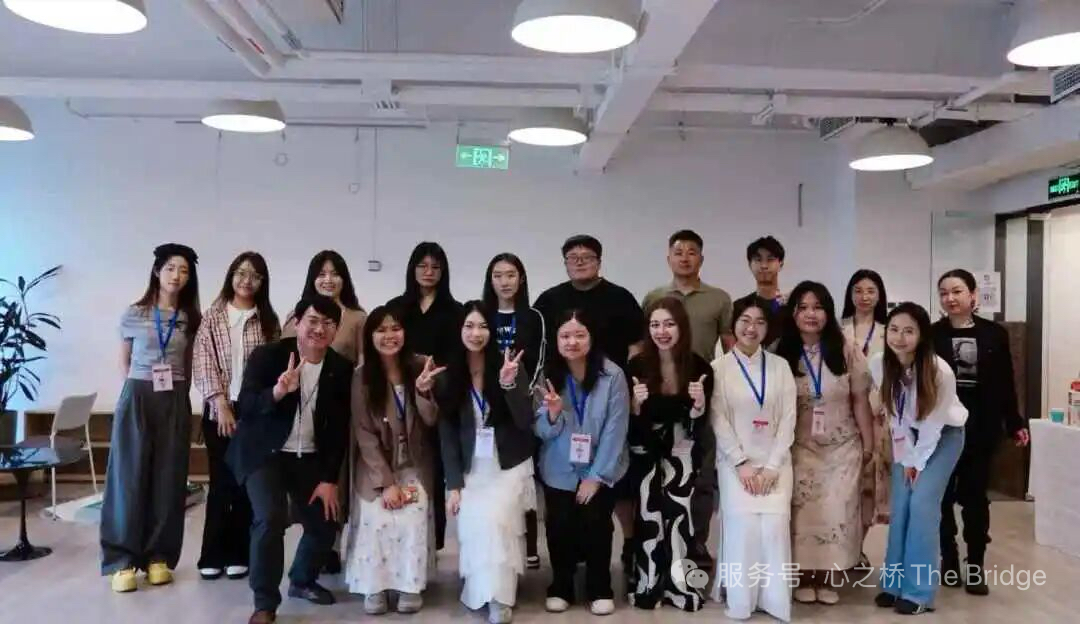
Entrepreneurs Cui (cross-border computing infrastructure) and Xu (U.S.–China AI team-building) on running globally-minded companies — and why youth-led tech moves faster than government-led programs on the Digital Silk Road.
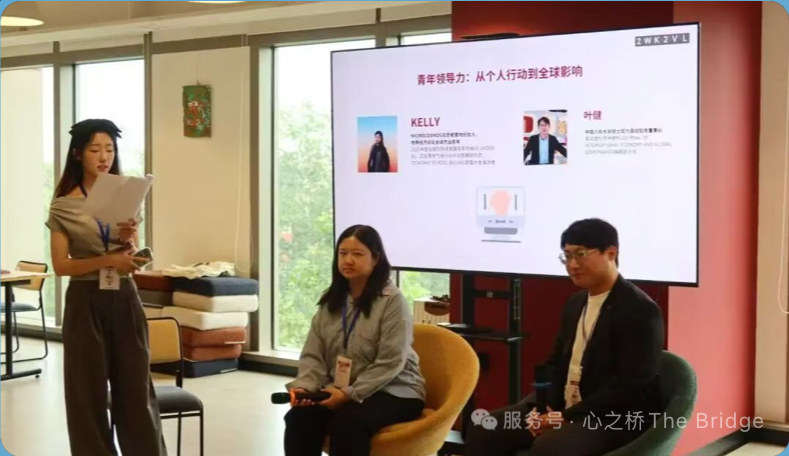
Kelly (founder, Microcosmos) shared a Sustainable Volunteering Model — Purpose, People, Pattern, Process, Product. Ye (founder of China's first international-organizations think tank) on the youth formula: deep specialty plus wide awareness.
"One handshake at a time. Genuine person-to-person relationships are the foundation of any meaningful global collaboration."
Theme · Science Diplomacy and Public Diplomacy in a Fragmented World
In a world of increasing political fragmentation — how do science, knowledge exchange, and people-to-people diplomacy keep cooperation alive when formal channels fail? A grounded, honest look at how science diplomacy and public diplomacy actually work in practice.
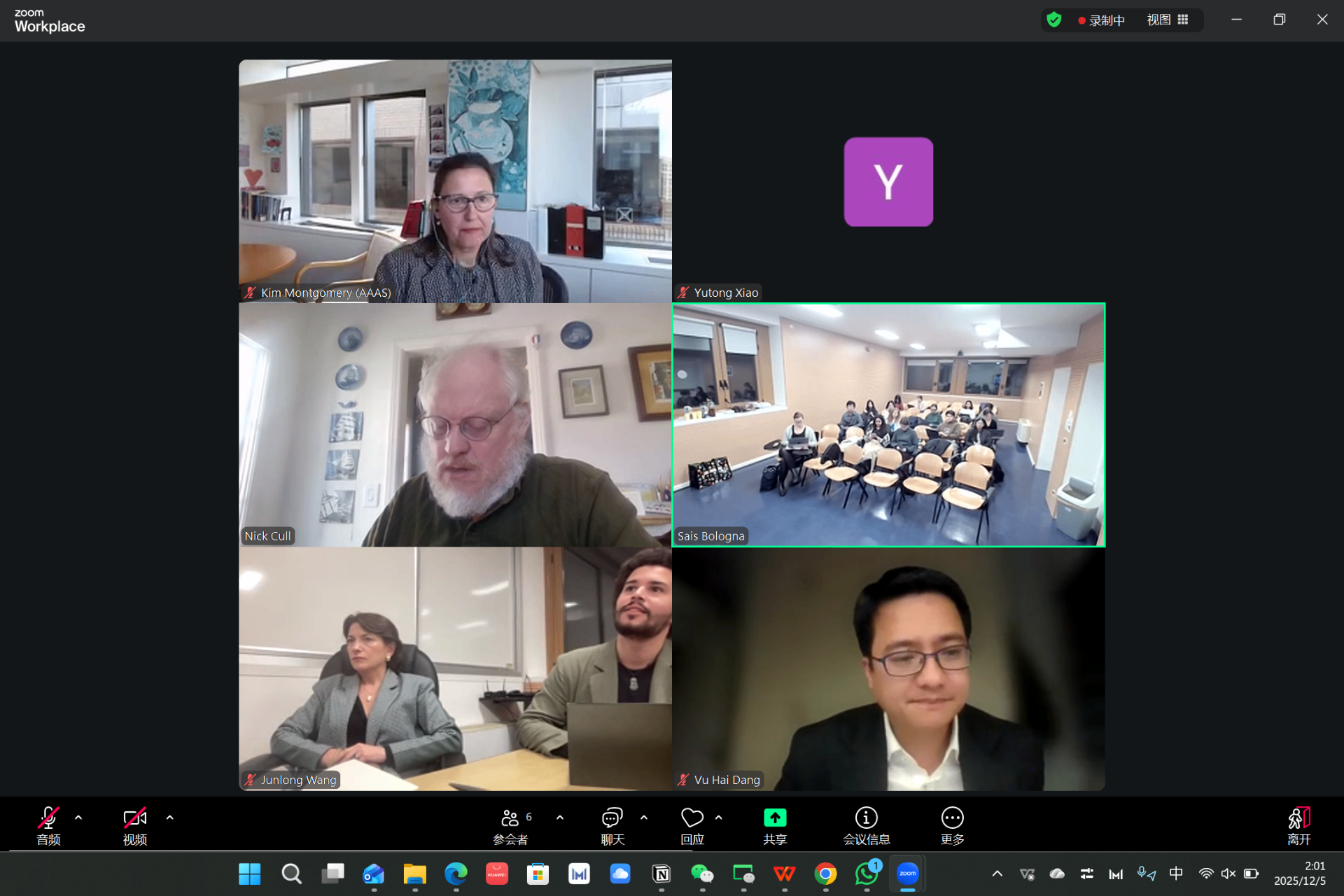
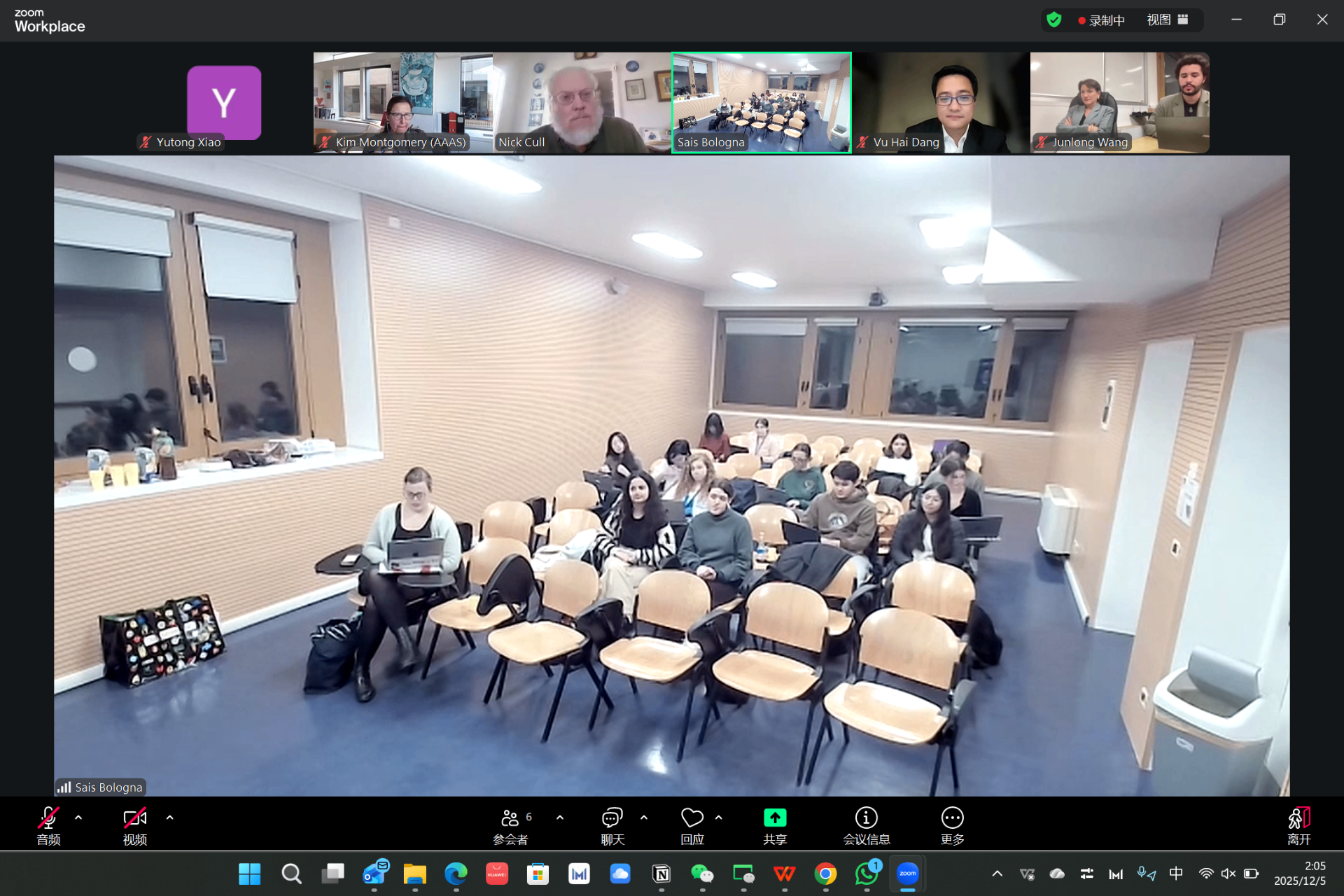
Political tension and institutional mistrust are reshaping how scientists, universities, and cultural institutions operate — yet climate, public health, energy, and food security cannot be solved without sustained cross-border collaboration.
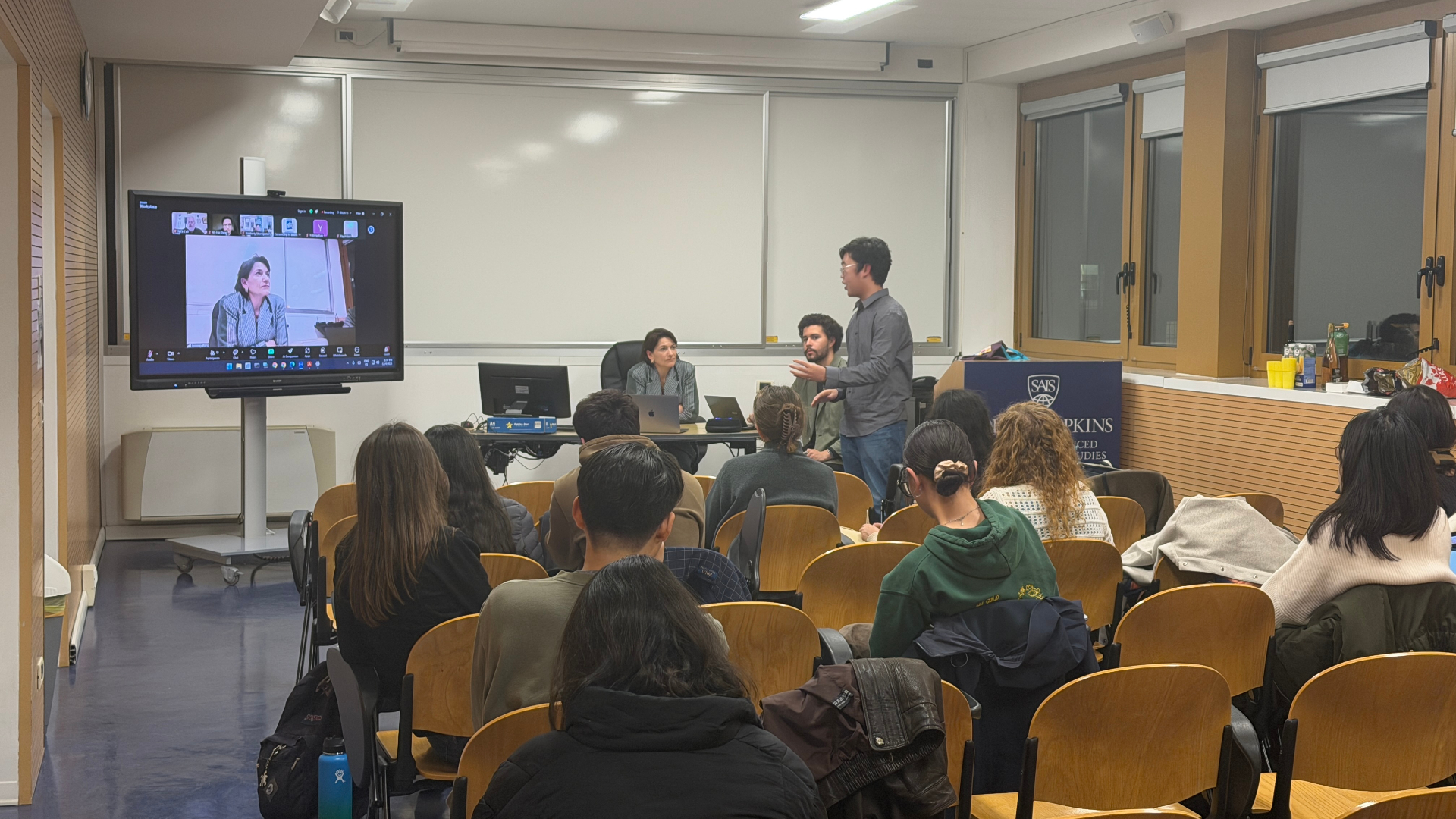
Prof. Stéphanie Balme on how academic and scientific exchange sustains diplomatic ties under political strain.
Prof. Nick Cull on exchange diplomacy and narrative-based engagement — and why listening is the most underrated tool in the diplomatic toolkit.
Dr. Vu Hai Dang on marine scientific research and hydrographic data as practical tools of science diplomacy in the South China Sea.
Dr. Kimberly Montgomery (AAAS · Science & Diplomacy) on how partnerships are built, sustained, and protected under political pressure — drawing on the IAEA, IIASA, NTI, and the U.S. House Science Committee.
"Three cities. Three conversations. One thread running through all of them — the people willing to show up, listen, and engage are the ones who shape what comes next."
Two cities at the center of some of the most important conversations happening in the world right now. Same format: real practitioners, student voices, cross-cultural exchange, and honest dialogue on the questions that matter most. Details are still coming together — stay tuned.